

Hey there! As a supplier of rotary unions, I've seen firsthand how different environmental factors can impact the performance of these nifty devices. One factor that often gets overlooked is humidity. In this blog, I'll dive into how humidity affects the performance of a rotary union and what you can do to mitigate any potential issues.
Understanding Rotary Unions
Before we get into the nitty - gritty of humidity, let's quickly go over what a rotary union is. A rotary union, also known as a rotary joint, is a device that allows the transfer of fluid (like water, oil, or coolant) from a stationary source to a rotating component. It's used in a wide range of applications, from industrial machinery to garden hoses. For example, a Rotary Union for Coolant is crucial in keeping machinery cool during operation, while Hydraulic Rotary Couplings for Water are used in hydraulic systems to transfer water under pressure. And if you're into gardening, you might be familiar with Garden Hose Rotary Union, which makes it easier to move your hose around without tangling.
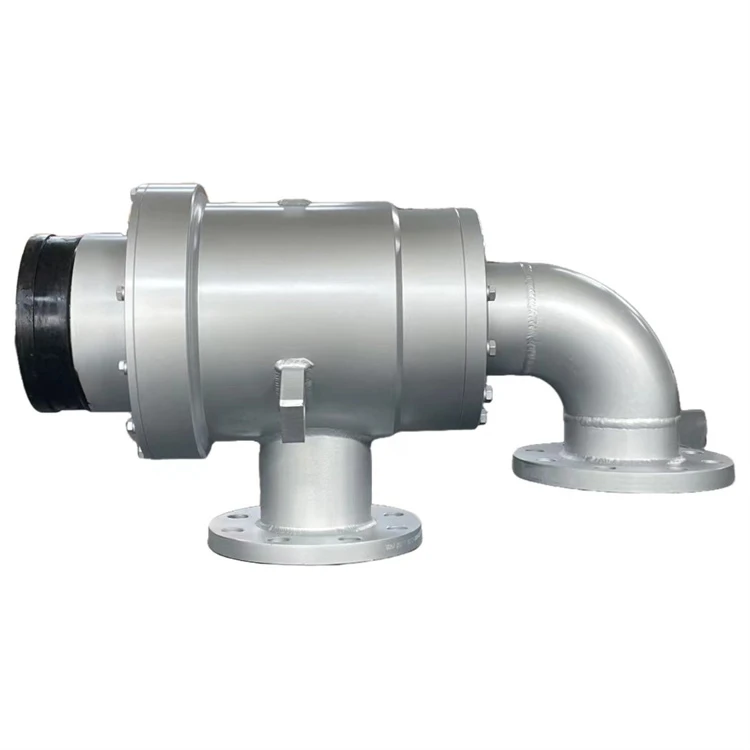

How Humidity Affects Rotary Unions
Corrosion
One of the most significant ways humidity affects rotary unions is through corrosion. When the air is humid, there's a higher concentration of water vapor. This water vapor can condense on the surface of the rotary union, especially if there's a temperature difference between the device and the surrounding air. Once water is present on the surface, it can react with the metal components of the rotary union, leading to corrosion.
Corrosion can cause several problems. First, it can weaken the structural integrity of the rotary union. Over time, the corroded parts may start to break down, leading to leaks. Leaks not only waste the fluid being transferred but can also cause damage to the surrounding equipment. Second, corrosion can affect the smooth rotation of the union. Rust and other corrosion products can create rough surfaces, increasing friction and making it harder for the rotary union to rotate freely. This can lead to increased wear and tear on the seals and bearings, reducing the overall lifespan of the device.
Seal Degradation
Seals are a critical part of a rotary union. They prevent fluid from leaking out and keep contaminants from getting in. Humidity can have a negative impact on the seals. Many seals are made of rubber or other elastomeric materials. High humidity can cause these materials to absorb water, which can lead to swelling and softening.
When a seal swells, it may not fit properly in its housing, leading to leaks. Softened seals are also more prone to damage. They can be easily cut or torn, especially if there's any movement or vibration in the rotary union. Additionally, the presence of water can accelerate the aging process of the seals. Over time, the seals may lose their elasticity and become brittle, further increasing the risk of leaks.
Lubrication Issues
Lubrication is essential for the smooth operation of a rotary union. It reduces friction between moving parts, prevents wear, and helps dissipate heat. Humidity can interfere with the lubrication process.
In high - humidity environments, water can mix with the lubricant. This can dilute the lubricant, reducing its effectiveness. The water can also cause the lubricant to break down chemically. For example, some lubricants may oxidize in the presence of water, forming sludge and other deposits. These deposits can clog the small passages in the rotary union, preventing the proper flow of lubricant to the areas that need it most.
Without proper lubrication, the friction between the rotating parts increases. This can lead to overheating, which can further damage the seals, bearings, and other components of the rotary union.
Mitigating the Effects of Humidity
Material Selection
When choosing a rotary union for a high - humidity environment, it's important to select the right materials. Stainless steel is a great choice because it's highly resistant to corrosion. It contains chromium, which forms a thin, protective oxide layer on the surface that prevents further corrosion. Additionally, using seals made from materials that are resistant to water absorption, such as fluorocarbon rubber (Viton), can help reduce the risk of seal degradation.
Protective Coatings
Applying protective coatings to the rotary union can provide an extra layer of defense against humidity. There are various types of coatings available, such as epoxy coatings and powder coatings. These coatings can act as a barrier, preventing water from coming into contact with the metal surface. They can also provide some level of lubrication, reducing friction and wear.
Environmental Controls
If possible, controlling the environment around the rotary union can help mitigate the effects of humidity. This can include using dehumidifiers to reduce the humidity level in the area where the rotary union is installed. In industrial settings, it may also be possible to enclose the rotary union in a sealed cabinet or housing with a controlled atmosphere. This can help keep the humidity at a stable, low level, protecting the device from the negative effects of high humidity.
Regular Maintenance
Regular maintenance is crucial for ensuring the long - term performance of a rotary union in a humid environment. This includes inspecting the union for signs of corrosion, seal damage, and lubrication issues. Any corroded parts should be replaced promptly, and the seals should be checked for wear and tear.
It's also important to replenish the lubricant regularly. If the lubricant has been contaminated with water, it should be drained and replaced with fresh lubricant. Additionally, cleaning the rotary union periodically can help remove any corrosion products or deposits that may have accumulated.
Conclusion
Humidity can have a significant impact on the performance of a rotary union. From corrosion and seal degradation to lubrication issues, high humidity can cause a range of problems that can reduce the lifespan and efficiency of the device. However, by taking the right precautions, such as choosing the right materials, applying protective coatings, controlling the environment, and performing regular maintenance, you can minimize these effects.
If you're in the market for a rotary union or have any questions about how to protect your existing rotary union from humidity, don't hesitate to reach out. We're here to help you find the best solutions for your specific needs. Let's start a conversation about your requirements and see how we can work together to ensure the optimal performance of your rotary union.
References
- "Handbook of Rotating Unions" - A comprehensive guide on the design, operation, and maintenance of rotary unions.
- "Corrosion and Protection in High - Humidity Environments" - A research paper that discusses the effects of humidity on metal components and ways to prevent corrosion.
- "Seal Materials and Their Performance in Different Environments" - An article that examines how different seal materials react to humidity and other environmental factors.