

Hey there! As a supplier of rotary unions, I've seen firsthand how crucial it is to ensure the long - term stability of these nifty devices. Rotary unions, also known as rotary joints, are used in a wide range of industries to transfer fluids or gases from a stationary source to a rotating component. Whether it's in manufacturing, automotive, or even food processing, a stable rotary union is the key to smooth operations. So, let's dive into some tips on how to keep your rotary union running like a well - oiled machine for the long haul.
Choose the Right Material
The first step in ensuring long - term stability is selecting the appropriate materials for your rotary union. Different applications call for different materials. For instance, if you're dealing with high - temperature environments, you'll want a rotary union made from materials that can withstand the heat. Stainless steel is a popular choice as it's corrosion - resistant and can handle a wide range of temperatures.

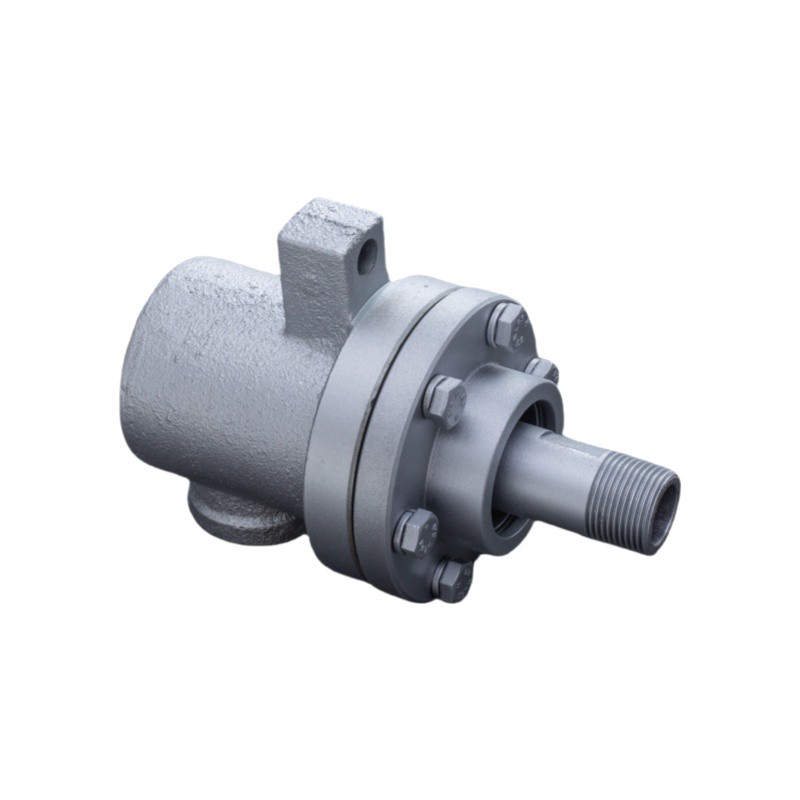
On the other hand, if you're working with chemicals or abrasive fluids, materials like ceramic or special polymers might be more suitable. These materials can resist wear and tear caused by the harsh substances. At our company, we offer a variety of materials for our Rotary Connector for Water Flow, ensuring that you can find the perfect fit for your specific needs.
Proper Installation
You know what they say, "Well begun is half done." That's especially true when it comes to installing a rotary union. Improper installation can lead to all sorts of problems down the road, such as leaks, vibrations, and premature wear.
Before installation, make sure to clean all the mating surfaces thoroughly. Any dirt, debris, or old sealant can prevent a proper seal and cause issues. Follow the manufacturer's instructions carefully regarding torque settings. Over - tightening or under - tightening the bolts can lead to uneven pressure distribution, which can damage the rotary union.
Also, pay attention to the alignment. Misaligned rotary unions can cause excessive stress on the seals and bearings, reducing their lifespan. If you're not confident in your installation skills, it's always a good idea to hire a professional. We can provide installation guides and support for our Rotary Coupling Device to make sure you get it right the first time.
Regular Maintenance
Maintenance is the name of the game when it comes to long - term stability. Just like you take your car in for regular oil changes and tune - ups, your rotary union needs some TLC too.
Inspect the rotary union regularly for signs of wear, such as leaks, unusual noises, or vibrations. Check the seals for any damage or signs of degradation. If you notice any issues, address them immediately. Replacing a worn - out seal is a lot cheaper and easier than replacing the entire rotary union.
Keep the rotary union clean. Dirt and debris can accumulate on the surface and inside the union, causing damage to the moving parts. Use a clean, dry cloth to wipe it down regularly. If the rotary union is exposed to harsh environments, you might need to clean it more frequently.
Lubrication is also important. Proper lubrication reduces friction between the moving parts, which in turn reduces wear and tear. Use the lubricant recommended by the manufacturer and apply it at the appropriate intervals.
Monitor Operating Conditions
Monitoring the operating conditions of your rotary union is essential for detecting problems early. Keep an eye on factors like temperature, pressure, and rotational speed.
High temperatures can cause the materials to expand and contract, which can lead to leaks and damage to the seals. If the temperature exceeds the recommended range, you might need to install a cooling system or adjust the operating conditions.
Similarly, excessive pressure can put a strain on the rotary union. Make sure that the pressure within the system is within the specified limits. If the pressure fluctuates frequently, it might be a sign of a problem in the system, such as a blockage or a malfunctioning valve.
Rotational speed is another important factor. Running the rotary union at speeds higher than the recommended maximum can cause excessive wear on the bearings and seals. If you need to change the rotational speed, make sure to consult the manufacturer first.
Use Quality Components
When it comes to rotary unions, you get what you pay for. Using high - quality components can significantly improve the long - term stability of your rotary union.
At our company, we only use top - notch materials and state - of the - art manufacturing processes to produce our Water Rotary Pipe Connector. Our components are designed to withstand the rigors of daily use and provide reliable performance over an extended period.
Investing in a high - quality rotary union might cost more upfront, but it can save you a lot of money in the long run by reducing maintenance costs and downtime.
Training Your Staff
If your employees are the ones operating and maintaining the rotary union, it's important to provide them with proper training. Make sure they understand how the rotary union works, the importance of proper installation and maintenance, and how to monitor the operating conditions.
Training your staff can help prevent human - error - related issues, such as improper handling or ignoring warning signs. It can also empower them to take proactive measures to ensure the long - term stability of the rotary union.
Plan for Spare Parts
No matter how well you maintain your rotary union, there might come a time when you need to replace some parts. Having a stock of spare parts on hand can minimize downtime in case of a breakdown.
Work with your supplier to identify the critical spare parts for your rotary union and keep an adequate supply. This way, if a seal or a bearing fails, you can quickly replace it and get your operations back up and running.
Conclusion
Ensuring the long - term stability of a rotary union requires a combination of proper material selection, correct installation, regular maintenance, and careful monitoring of operating conditions. By following these tips, you can extend the lifespan of your rotary union and avoid costly breakdowns.
If you're in the market for a reliable rotary union or need more information on how to keep your existing one in top shape, don't hesitate to reach out. We're here to help you find the perfect solution for your needs and ensure that your operations run smoothly. Let's start a conversation about your rotary union requirements and see how we can work together to achieve long - term stability.
References
- Industry standards and guidelines for rotary unions
- Manufacturer's manuals and technical documents
- Case studies on rotary union performance and maintenance