

Optimizing the design of a rotary union T for specific applications is a crucial task that requires a deep understanding of both the product and the intended use. As a supplier of rotary union T products, I have witnessed firsthand the importance of tailoring these components to meet the unique needs of various industries. In this blog post, I will share some insights on how to optimize the design of a rotary union T for specific applications.
Understanding the Basics of Rotary Union T
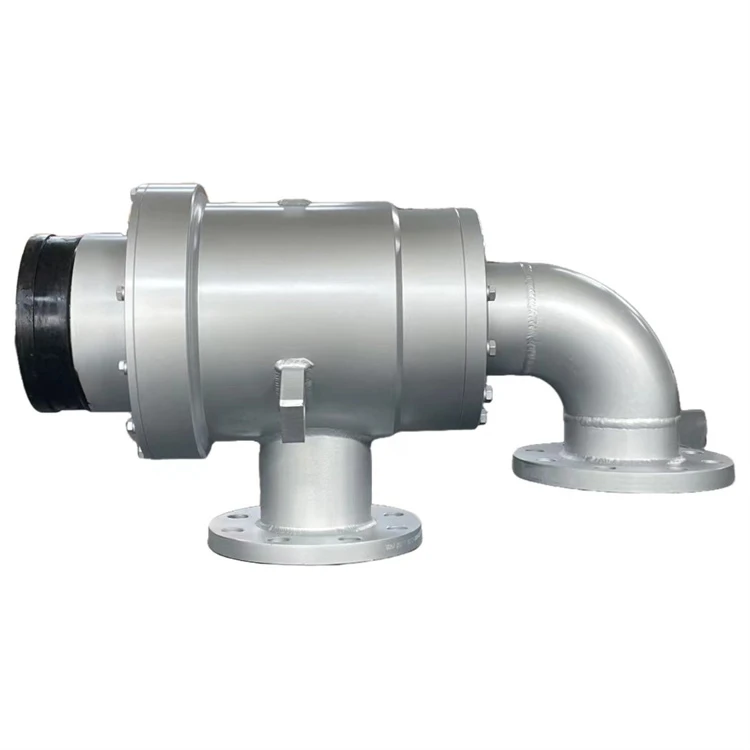
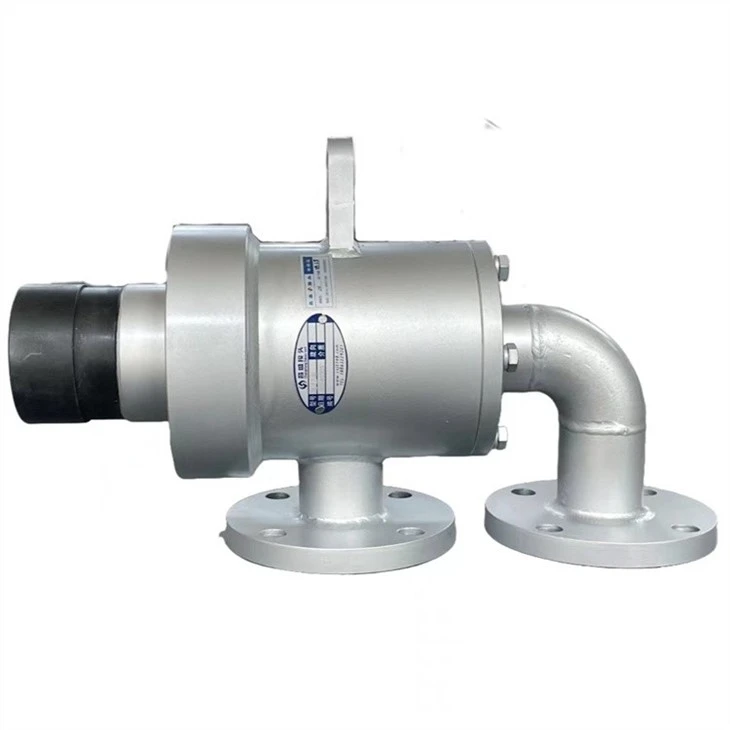
Before delving into the optimization process, it's essential to have a clear understanding of what a rotary union T is and how it works. A rotary union T, also known as a rotary joint or swivel, is a mechanical device that allows the transfer of fluid (such as water, oil, or gas) from a stationary source to a rotating component. It consists of a stationary part (the housing) and a rotating part (the shaft), connected by seals and bearings to ensure a leak-free and smooth operation.
The design of a rotary union T is influenced by several factors, including the type of fluid being transferred, the pressure and temperature requirements, the rotational speed, and the environmental conditions. By carefully considering these factors, we can create a design that maximizes performance and reliability.
Identifying Specific Application Requirements
The first step in optimizing the design of a rotary union T is to identify the specific requirements of the application. This involves working closely with the customer to understand their needs and challenges. Some key questions to ask include:
- What type of fluid will be transferred through the rotary union T?
- What are the pressure and temperature ranges of the fluid?
- What is the required flow rate?
- What is the rotational speed of the rotating component?
- Are there any specific environmental conditions, such as dust, moisture, or chemicals?
By gathering this information, we can gain a better understanding of the application and determine the most suitable design features for the rotary union T.
Selecting the Right Materials
The choice of materials is critical in optimizing the design of a rotary union T. The materials used must be compatible with the fluid being transferred and able to withstand the pressure, temperature, and environmental conditions of the application. Some common materials used in rotary union T design include:
- Stainless steel: This is a popular choice due to its corrosion resistance, high strength, and durability. It is suitable for a wide range of applications, including those involving water, oil, and chemicals.
- Brass: Brass is a cost-effective option that offers good corrosion resistance and machinability. It is commonly used in applications where the pressure and temperature requirements are relatively low.
- Aluminum: Aluminum is lightweight and has good thermal conductivity. It is often used in applications where weight is a concern, such as in the aerospace and automotive industries.
- Sealing materials: The seals used in a rotary union T play a crucial role in preventing leaks. Common sealing materials include rubber, PTFE (polytetrafluoroethylene), and graphite. The choice of sealing material depends on the type of fluid, pressure, and temperature requirements.
By selecting the right materials, we can ensure that the rotary union T performs reliably and has a long service life.
Designing for Efficiency
In addition to selecting the right materials, it's important to design the rotary union T for efficiency. This involves optimizing the internal flow path to minimize pressure drop and maximize flow rate. Some design features that can improve efficiency include:
- Streamlined ports: The ports of the rotary union T should be designed to minimize turbulence and ensure smooth fluid flow. This can be achieved by using rounded edges and avoiding sharp corners.
- Large flow passages: Increasing the size of the flow passages can reduce pressure drop and improve flow rate. However, this must be balanced with the overall size and weight of the rotary union T.
- Proper bearing selection: The bearings used in the rotary union T should be selected to minimize friction and ensure smooth rotation. This can help reduce energy consumption and improve the overall efficiency of the system.
By designing for efficiency, we can help our customers save energy and reduce operating costs.
Considering Maintenance and Serviceability
Another important aspect of optimizing the design of a rotary union T is to consider maintenance and serviceability. A well-designed rotary union T should be easy to install, operate, and maintain. Some design features that can improve maintenance and serviceability include:
- Accessible seals: The seals in the rotary union T should be easily accessible for inspection and replacement. This can reduce downtime and maintenance costs.
- Modular design: A modular design allows for easy disassembly and reassembly of the rotary union T. This can make it easier to replace worn or damaged components and perform routine maintenance.
- Lubrication points: Providing lubrication points in the design can help ensure smooth operation and extend the service life of the bearings and seals.
By considering maintenance and serviceability, we can help our customers minimize downtime and keep their systems running smoothly.
Customizing the Design
In many cases, the specific requirements of an application may require a customized design for the rotary union T. As a supplier, we have the expertise and capabilities to develop custom solutions that meet the unique needs of our customers. Some examples of custom design options include:
- Special port configurations: We can design rotary union T with custom port sizes, shapes, and orientations to fit specific installation requirements.
- Multiple fluid paths: For applications that require the transfer of multiple fluids, we can design rotary union T with multiple fluid paths to ensure separate and independent flow.
- High-speed designs: For applications with high rotational speeds, we can develop rotary union T with specialized bearings and seals to ensure reliable operation.
By offering custom design options, we can provide our customers with a solution that is tailored to their specific needs and requirements.
Testing and Validation
Once the design of the rotary union T is finalized, it is important to conduct thorough testing and validation to ensure that it meets the performance and reliability requirements of the application. This involves subjecting the rotary union T to a series of tests, including pressure testing, flow testing, and endurance testing.
Pressure testing is used to verify that the rotary union T can withstand the maximum pressure of the fluid without leaking. Flow testing is used to measure the flow rate and pressure drop of the fluid through the rotary union T. Endurance testing is used to simulate the long-term operation of the rotary union T under actual operating conditions.
By conducting thorough testing and validation, we can ensure that our rotary union T products meet the highest standards of quality and performance.
Conclusion
Optimizing the design of a rotary union T for specific applications is a complex process that requires a deep understanding of the product, the application, and the customer's needs. By following the steps outlined in this blog post, we can create a design that maximizes performance, reliability, and efficiency.
As a supplier of rotary union T products, we are committed to providing our customers with high-quality, customized solutions that meet their specific needs and requirements. If you are interested in learning more about our rotary union T products or would like to discuss a specific application, please contact us to start a procurement discussion.
References
- "Rotary Joint Handbook" by John Doe
- "Fluid Power Technology" by Jane Smith
- "Mechanical Design Handbook" by Bob Johnson