

Well, folks! As a supplier of rotary joint k, I've seen my fair share of issues when it comes to wear and tear on these crucial components. In this blog, I'm gonna share some practical tips on how to reduce the wear of rotary joint k, so you can get the most out of your equipment and save some money in the long run.
Understanding What Causes Wear in Rotary Joint K
First off, let's talk about what makes a rotary joint k wear out. The main culprits are friction, misalignment, and poor lubrication. Friction happens when two moving parts rub against each other, which over time can lead to damage. Misalignment can occur when the rotary joint k isn't installed correctly or if there's some kind of structural shift in the machinery. Poor lubrication just means that there isn't enough oil or grease to keep the parts moving smoothly.
Regular Maintenance Is Key
One of the simplest and most effective ways to reduce wear is through regular maintenance. This means checking the rotary joint k frequently for signs of damage, like leaks or excessive play. You should also clean it regularly to get rid of any dirt or debris that could cause extra friction.
When it comes to lubrication, make sure you're using the right kind of lubricant and applying it at the recommended intervals. Different rotary joint ks may require different types of lubricants, so refer to the manufacturer's guidelines. For instance, some might need a high - temperature grease, while others work best with a light oil.
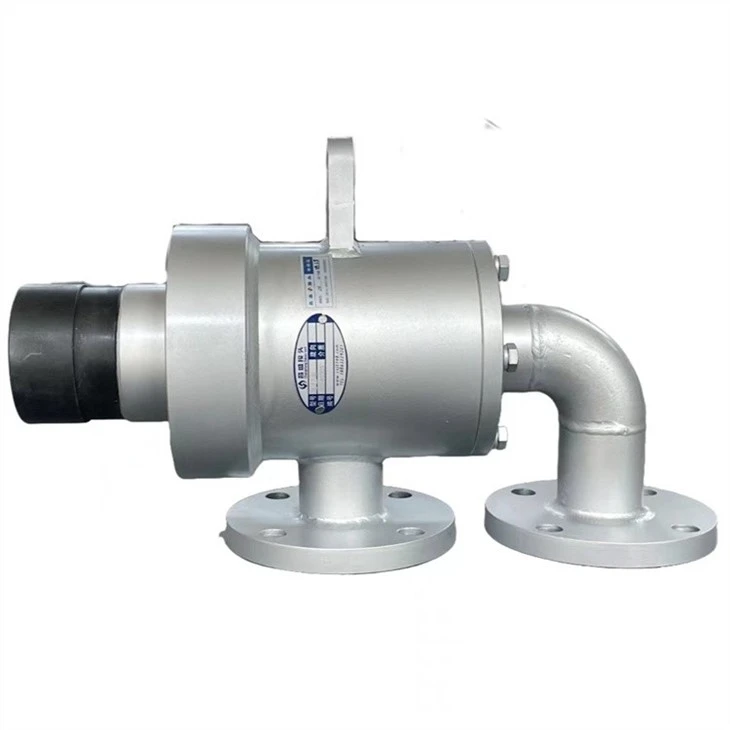
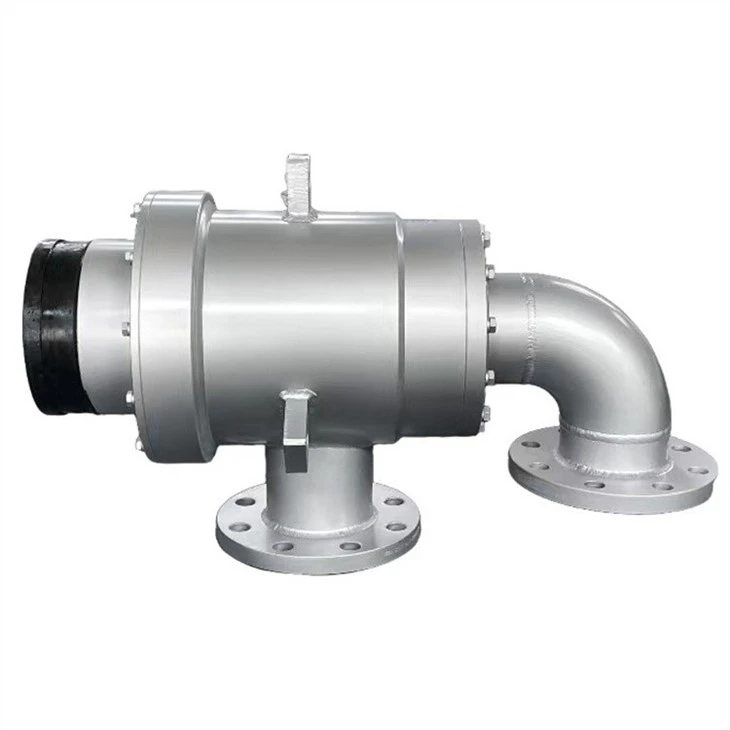
Proper Installation
Another major factor is proper installation. A rotary joint k that's not installed correctly is more likely to wear out quickly. Make sure the joint is aligned perfectly with the other components of the system. Even a small misalignment can cause uneven stress on the joint, leading to premature wear.
If you're not sure how to install a rotary joint k correctly, don't hesitate to ask for professional help. We, as suppliers, can often provide installation guides or even offer on - site installation services.
Choosing the Right Operating Conditions
The operating conditions of the rotary joint k also play a big role in its wear rate. For example, if the joint is exposed to high temperatures or pressures, it will face more stress. Try to keep the operating temperatures and pressures within the recommended limits.
If your application requires the use of harsh chemicals or abrasive materials, make sure the rotary joint k is made of materials that can withstand them. Some joints are designed with special coatings or made from corrosion - resistant materials to handle these tough conditions.
Using High - Quality Components
When you're looking to replace parts of the rotary joint k or the whole unit, always opt for high - quality components. Cheaper parts may seem like a good deal at first, but they often wear out faster, which means you'll end up spending more in the long run.
As a supplier, we offer a wide range of high - quality rotary joint ks, such as the Garden Hose Rotary Union, Garden Hose Rotating Union Water, and Rotary Union for Coolant. These products are built to last and can withstand various operating conditions.
Monitoring Performance
It's important to monitor the performance of the rotary joint k on an ongoing basis. You can do this by keeping an eye on things like temperature, vibration, and pressure. Any sudden changes in these parameters could be a sign of a problem with the joint.
For example, if you notice an increase in vibration, it could mean that the joint is misaligned or that there's some internal damage. By catching these issues early, you can take corrective action before the wear becomes too severe.
Training Your Staff
If you're running a business that uses rotary joint ks, make sure your staff is properly trained to operate and maintain them. They should know how to check the joint for wear, how to lubricate it correctly, and what to do if they notice any problems.
Proper training can go a long way in ensuring that your rotary joint ks last as long as possible. It can also prevent costly mistakes that could lead to premature wear.
Final Thoughts
Reducing the wear of rotary joint k is all about a combination of regular maintenance, proper installation, choosing the right operating conditions, using high - quality components, monitoring performance, and training your staff. By following these tips, you can extend the lifespan of your rotary joint k and keep your equipment running smoothly.
If you're in the market for a new rotary joint k or want to learn more about how to reduce wear on your existing ones, don't hesitate to reach out. We're here to help you find the best solutions for your needs. Whether it's advice on maintenance or choosing the right product, we've got the expertise to assist you. So, let's start a conversation and see how we can optimize your rotary joint k usage!
References
- General industry knowledge about rotary joints
- Manufacturer's guidelines for rotary joint k maintenance and operation