

Hey there! As a supplier of rotary joints for water, I've seen firsthand the importance of proper storage. These nifty devices are crucial for transferring water between stationary and rotating parts in various industrial applications. Whether it's in manufacturing plants, food processing facilities, or even in some high - tech equipment, a well - stored rotary joint can last longer and perform better. So, let's dive into how to store a rotary joint for water properly.
1. Clean the Rotary Joint Thoroughly
Before you even think about storing your rotary joint, you've got to give it a good cleaning. Water can carry all sorts of contaminants like dirt, rust, and minerals. Over time, these can build up inside the joint and cause damage. Use a mild detergent and a soft brush to clean the exterior of the joint. For the internal parts, you might need to use a specialized cleaning solution. Make sure to flush out all the water channels to remove any debris.
Once you've cleaned it, rinse it thoroughly with clean water and dry it completely. You can use compressed air to blow out any remaining water from the channels. This step is super important because any leftover moisture can lead to corrosion, which is the last thing you want for your rotary joint.
2. Protect the Sealing Surfaces
The sealing surfaces of a rotary joint are its Achilles' heel. They need to be in top - notch condition for the joint to work properly. When storing, you should protect these surfaces from scratches, dents, and other physical damage. You can use protective caps or covers made of soft materials like rubber or plastic. These covers will prevent dust, dirt, and other particles from coming into contact with the sealing surfaces.
If you don't have protective caps, you can also use a thin layer of lubricant on the sealing surfaces. This will not only protect them from corrosion but also make them less likely to get scratched. However, make sure to use a lubricant that is compatible with the materials of the rotary joint.
3. Choose the Right Storage Environment
The environment where you store your rotary joint matters a great deal. You want to keep it in a clean, dry, and temperature - controlled area. High humidity can cause corrosion, while extreme temperatures can affect the materials of the joint. Ideally, the storage area should have a relative humidity of less than 60% and a temperature between 10°C and 30°C.
Avoid storing the rotary joint near sources of heat, such as furnaces or heaters, as well as in areas prone to water leaks. Also, keep it away from chemicals and solvents that could damage the joint. If possible, store the joint in a sealed container or a cabinet to further protect it from the elements.
4. Store in the Correct Position
The way you position the rotary joint during storage can also impact its performance. It's best to store it in a horizontal position. This helps to prevent any internal components from shifting or getting damaged. If you have to store it vertically, make sure to support it properly to avoid any stress on the joints or seals.
5. Label and Document
It's a good idea to label the rotary joint with important information such as its model number, serial number, and the date of storage. This will make it easier to identify the joint later on, especially if you have multiple joints in storage. You can also keep a record of the storage conditions, including the temperature, humidity, and any maintenance or cleaning procedures that were done before storage.
6. Regular Inspections
Even when in storage, your rotary joint needs some TLC. Schedule regular inspections to check for any signs of damage, corrosion, or degradation. Look for rust spots, cracks, or any changes in the appearance of the joint. If you notice any issues, address them immediately.
During these inspections, you can also re - lubricate the sealing surfaces if necessary. This will help to maintain their integrity and ensure that the joint is ready to use when you need it.
7. Consider Long - Term Storage Solutions
If you're planning to store the rotary joint for an extended period, you might want to take some additional precautions. For example, you can apply a protective coating to the exterior of the joint to further prevent corrosion. There are also specialized storage bags or containers that are designed to protect against moisture and dust.
Another option is to periodically rotate the joint to prevent any static stress on the internal components. This can help to maintain the flexibility and functionality of the joint over time.
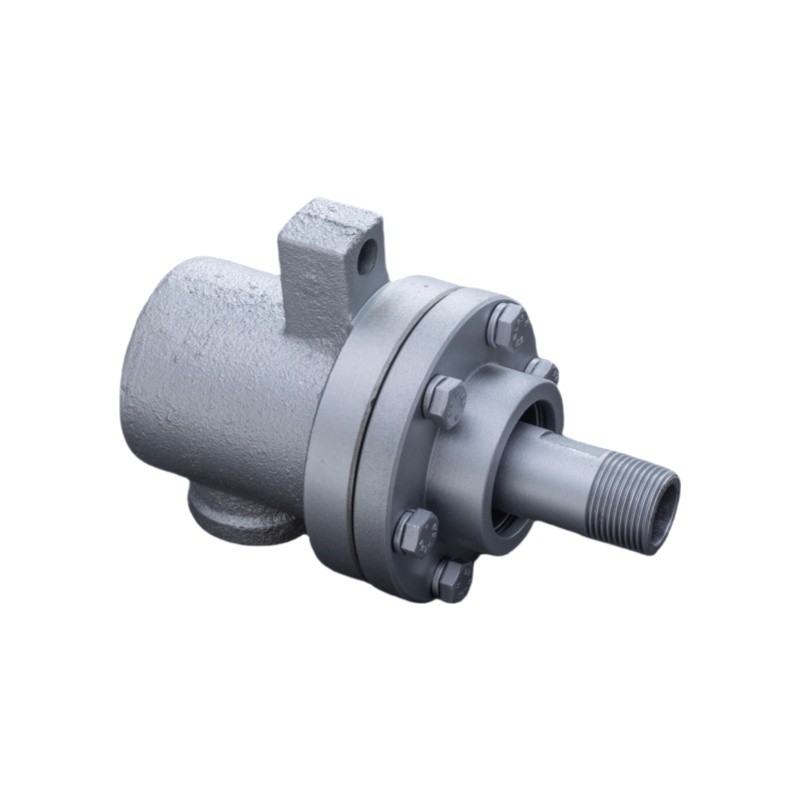

Why Proper Storage Matters
Proper storage of a rotary joint for water is not just about keeping it in good condition. It can also save you a lot of money in the long run. A well - stored joint will have a longer lifespan, which means you won't have to replace it as often. It will also perform better when you put it back into use, reducing the risk of leaks and other problems that could lead to costly downtime.
If you're in the market for high - quality Hydraulic Rotary Couplings for Water, Rotary Unions for Water and Coolant, or Rotary Connector for Water Flow, we've got you covered. Our products are designed to meet the highest standards of quality and performance.
If you have any questions about our rotary joints or need advice on storage or installation, don't hesitate to reach out. We're here to help you make the most of your rotary joint investment. Whether you're a small business or a large industrial enterprise, we can provide you with the right solutions for your water transfer needs. So, let's start a conversation and see how we can work together to keep your operations running smoothly.
References
- Industrial Maintenance Handbook
- Manufacturer's Guidelines for Rotary Joints
- Best Practices in Equipment Storage