

When it comes to industrial operations relying on compressed air systems, rotary joints play a pivotal role. As a dedicated supplier of rotary joints for compressed air, I've witnessed firsthand the significance of proper maintenance intervals. In this blog, I'll delve into the factors influencing these intervals and offer insights to ensure the optimal performance and longevity of your Rotary Joint For Air.
Understanding Rotary Joints for Compressed Air
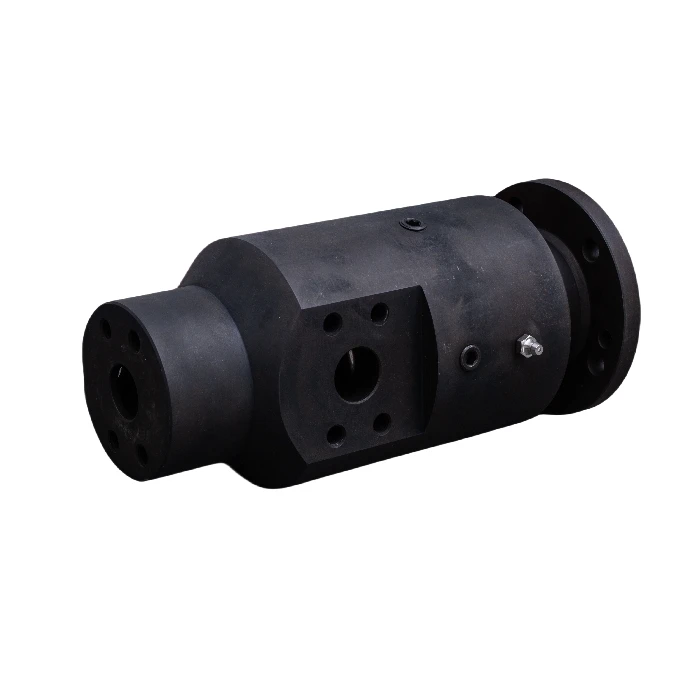
Before we dive into maintenance intervals, it's essential to understand what a rotary joint for compressed air is and how it functions. A pneumatic rotary union for air is a mechanical device that allows the transfer of compressed air from a stationary source to a rotating component. This seamless transfer is crucial in various industries, such as manufacturing, packaging, and automotive, where continuous rotation and air supply are required.
Factors Affecting Maintenance Intervals
Several factors influence the maintenance intervals of a rotary joint for compressed air. Understanding these factors can help you determine the appropriate schedule for your specific application.
Operating Conditions
The operating conditions of your rotary joint have a significant impact on its maintenance requirements. Factors such as temperature, humidity, and the presence of contaminants in the air can accelerate wear and tear. For example, in high-temperature environments, the seals and lubricants in the rotary joint may degrade more quickly, necessitating more frequent maintenance. Similarly, if the compressed air contains dust or other particles, it can cause abrasion and damage to the internal components.
Rotational Speed
The rotational speed of the rotary joint is another critical factor. Higher speeds generate more friction and heat, which can lead to increased wear on the bearings and seals. As a result, rotary joints operating at high speeds typically require more frequent maintenance compared to those operating at lower speeds.
Pressure and Flow Rate
The pressure and flow rate of the compressed air also affect the maintenance intervals. Higher pressures and flow rates can put more stress on the rotary joint, increasing the likelihood of leaks and component failure. Therefore, it's important to monitor these parameters closely and adjust the maintenance schedule accordingly.
Quality of Components
The quality of the components used in the rotary joint can significantly impact its durability and maintenance requirements. High-quality bearings, seals, and materials are more resistant to wear and corrosion, reducing the need for frequent maintenance. When selecting a rotary joint, it's advisable to choose one from a reputable manufacturer that uses high-quality components.
Recommended Maintenance Intervals
Based on the factors mentioned above, here are some general guidelines for maintenance intervals of a rotary joint for compressed air:
Visual Inspection
A visual inspection should be conducted regularly, at least once a month. During the inspection, check for any signs of leaks, damage, or wear on the exterior of the rotary joint. Look for oil or air leaks around the seals, cracks in the housing, or loose fittings. If any issues are detected, they should be addressed immediately.
Lubrication
Proper lubrication is essential for the smooth operation of the rotary joint. The lubrication interval depends on the type of lubricant used and the operating conditions. In general, it's recommended to lubricate the rotary joint every three to six months. However, in high-speed or high-temperature applications, more frequent lubrication may be required.
Seal Replacement
The seals in the rotary joint are critical for preventing leaks. Over time, the seals can wear out and lose their effectiveness. As a general rule, the seals should be replaced every 12 to 24 months, depending on the operating conditions. However, if you notice any signs of leakage or reduced performance, the seals should be replaced immediately.
Bearing Inspection and Replacement
The bearings in the rotary joint support the rotating components and ensure smooth operation. Regular inspection of the bearings is essential to detect any signs of wear or damage. Depending on the operating conditions, the bearings should be inspected every six to 12 months. If any issues are detected, the bearings should be replaced promptly to prevent further damage to the rotary joint.
Importance of Regular Maintenance
Regular maintenance of your rotary joint for compressed air is crucial for several reasons:

Preventing Downtime
A malfunctioning rotary joint can cause significant downtime in your production process. By performing regular maintenance, you can identify and address potential issues before they lead to a breakdown, minimizing the impact on your operations.
Extending Lifespan
Proper maintenance can significantly extend the lifespan of your rotary joint. By replacing worn components and lubricating the joint regularly, you can reduce wear and tear and ensure optimal performance for a longer period.
Ensuring Safety
A well-maintained rotary joint is essential for ensuring the safety of your employees and equipment. Leaks or component failures can pose a safety hazard, such as the risk of explosion or injury. By following the recommended maintenance intervals, you can minimize these risks and create a safer working environment.
Conclusion
As a supplier of Rotary Joint For Air, I understand the importance of proper maintenance for the optimal performance and longevity of your rotary joint. By considering the factors affecting maintenance intervals and following the recommended guidelines, you can ensure that your rotary joint operates smoothly and efficiently for years to come.
If you have any questions or need further assistance with the maintenance of your rotary joint for compressed air, please don't hesitate to contact us. Our team of experts is always ready to help you find the best solutions for your specific application. Whether you're looking for a Rotary Pipe Union or need advice on maintenance intervals, we're here to support you.
References
- [Manufacturer's Manual for Rotary Joints]
- [Industry Standards for Compressed Air Systems]
- [Research Papers on Rotary Joint Maintenance]