

As a supplier of rotary joints for water, I've witnessed firsthand the critical role these components play in various industrial applications. One phenomenon that often poses challenges and concerns is water hammer. In this blog, I'll delve into the effects of water hammer on a rotary joint for water, shedding light on its implications and how to mitigate them.
Understanding Water Hammer
Water hammer, also known as hydraulic shock, is a pressure surge or wave caused when a fluid, in this case, water, is forced to stop or change direction suddenly. This can occur when a valve is rapidly closed, a pump is suddenly stopped, or there is a sudden change in the flow rate. The abrupt change in momentum creates a shock wave that travels through the piping system, causing a series of high - pressure spikes.
When water is flowing through a rotary joint, it has a certain kinetic energy. If the flow is suddenly interrupted, the kinetic energy is converted into pressure energy. This pressure increase can be substantial, sometimes reaching several times the normal operating pressure of the system.
Effects of Water Hammer on Rotary Joints for Water
1. Mechanical Stress
One of the most immediate effects of water hammer on a rotary joint is the mechanical stress it imposes. The sudden increase in pressure can subject the rotary joint to forces far beyond its normal operating limits. The housing of the rotary joint, which is designed to withstand a certain range of pressures, may experience deformation or cracking. This can lead to leaks, which not only waste water but also pose safety risks, especially in industrial settings where water may be contaminated or under high temperature.
For example, in a manufacturing plant where a rotary joint is used to transfer water for cooling purposes, a water hammer event can cause the seals of the rotary joint to fail. As the pressure spikes, the seals are forced to bear an excessive load, and over time, they may lose their integrity, allowing water to escape. This can lead to corrosion of nearby equipment and damage to the production environment.
2. Wear and Tear
Water hammer can also accelerate the wear and tear of the internal components of the rotary joint. The high - pressure waves can cause the bearings and other moving parts to experience increased friction and vibration. The bearings, which are crucial for the smooth rotation of the joint, may wear out prematurely. This can result in increased noise during operation, reduced rotational efficiency, and ultimately, a shorter lifespan of the rotary joint.
In a continuous - flow system, such as a water - cooled generator, the constant occurrence of water hammer can gradually degrade the performance of the rotary joint. The bearings may start to develop uneven wear patterns, leading to misalignment of the rotating parts. This misalignment further exacerbates the wear, creating a vicious cycle that can end in the complete failure of the rotary joint.
3. Seal Damage
The seals in a rotary joint for water are designed to prevent leakage and maintain the integrity of the fluid transfer. However, water hammer can be extremely detrimental to these seals. The sudden pressure changes can cause the seals to be compressed or stretched beyond their elastic limits. This can lead to seal deformation, cracking, or even complete failure.
When the seals fail, water can leak out of the rotary joint, which not only affects the efficiency of the system but also can cause environmental problems. In addition, the ingress of contaminants into the joint can further damage the internal components, reducing the overall performance and reliability of the rotary joint.
Detecting and Mitigating the Effects of Water Hammer
1. Detection
Detecting water hammer early is crucial to prevent damage to the rotary joint. One way to detect water hammer is by installing pressure sensors in the piping system near the rotary joint. These sensors can monitor the pressure fluctuations in real - time. If a sudden and significant increase in pressure is detected, it may indicate the occurrence of water hammer.
Another method is to listen for abnormal noises in the piping system. A characteristic "hammering" sound is often associated with water hammer. By regularly inspecting and maintaining the system, operators can identify these signs and take appropriate action.
2. Mitigation
There are several ways to mitigate the effects of water hammer on a rotary joint for water. One of the most effective methods is to install a water hammer arrester. A water hammer arrester is a device that absorbs the shock waves caused by water hammer. It typically consists of a chamber filled with air or a compressible material. When a water hammer event occurs, the pressure wave is absorbed by the arrester, reducing the impact on the rotary joint.

Another approach is to control the flow rate and valve operation more carefully. By avoiding sudden valve closures or pump starts, the risk of water hammer can be significantly reduced. For example, using slow - closing valves or implementing a soft - start feature for pumps can help to gradually change the flow conditions, minimizing the occurrence of water hammer.
Our Solutions as a Rotary Joint for Water Supplier
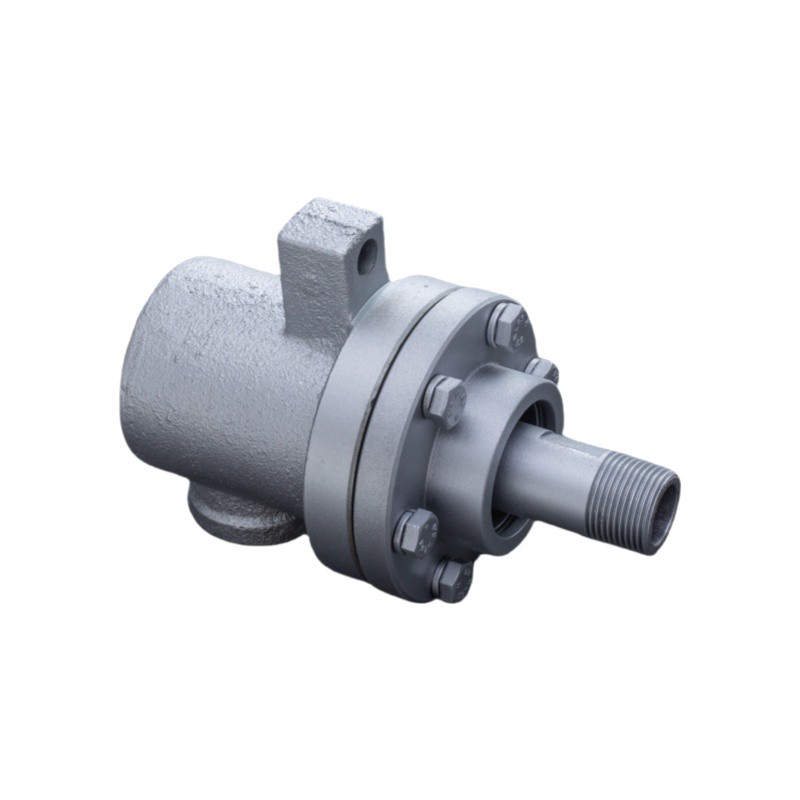
As a supplier of rotary joints for water, we understand the challenges posed by water hammer. That's why we offer a range of high - quality products designed to withstand the rigors of industrial environments. Our Water Rotary Pipe Connector is engineered with robust materials and advanced sealing technology to resist the mechanical stress and wear caused by water hammer.
Our Rotary Connector for Water Flow is designed to provide smooth and efficient water transfer, even in the presence of minor pressure fluctuations. We also offer Air Or Water Rotary Union that can handle both air and water applications, providing versatility and reliability.
In addition to our high - quality products, we also provide comprehensive technical support to our customers. Our team of experts can assist with system design, installation, and maintenance, helping to ensure that your rotary joint operates smoothly and efficiently. We can also offer advice on water hammer prevention and mitigation strategies, tailored to your specific application.
Conclusion
Water hammer can have a significant impact on a rotary joint for water, causing mechanical stress, wear and tear, and seal damage. However, by understanding the causes and effects of water hammer and implementing appropriate detection and mitigation measures, these problems can be minimized. As a leading supplier of rotary joints for water, we are committed to providing our customers with the highest - quality products and services to help them overcome the challenges posed by water hammer.
If you are in need of a reliable rotary joint for water or have any questions about water hammer and its effects, please don't hesitate to contact us. We are here to assist you with your procurement and ensure that your water transfer system operates at its best.
References
- Bloch, H. P., & Geitner, F. K. (2006). Pump User's Handbook: Life Extension (2nd ed.). Gulf Professional Publishing.
- Karassik, I. J., Messina, J. P., Cooper, P. T., & Heald, C. C. (2008). Pump Handbook (4th ed.). McGraw - Hill.
- Ingersoll - Rand. (2007). Compressed Air and Gas Data (10th ed.). Ingersoll - Rand Company.