

As a supplier of rotary unions, one of the most frequently asked questions I get is, "What is the lifespan of a rotary union?" Well, it's not a straightforward answer because there are several factors at play. In this article, I'm going to break down these factors and give you a better idea of how long you can expect your rotary union to last.
Understanding the Basics of Rotary Unions
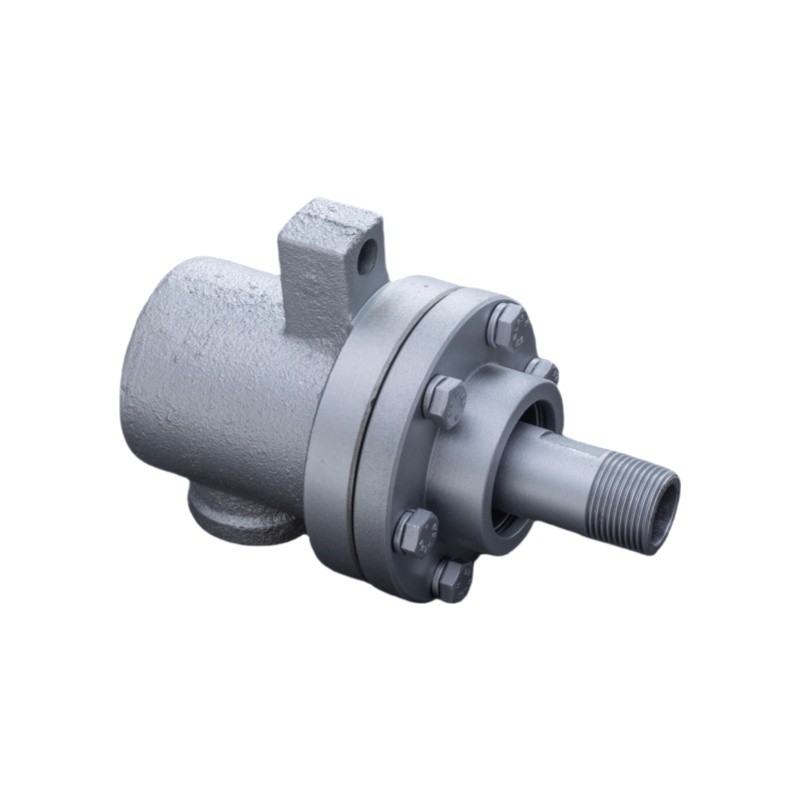
Before we dive into the lifespan, let's quickly go over what a rotary union is. A rotary union, also known as a rotary joint or rotary swivel, is a mechanical device that allows the transfer of fluids (like water, oil, or coolant) or gases from a stationary source to a rotating component. They're used in a wide range of industries, including manufacturing, automotive, and food processing.
At our company, we offer different types of rotary unions to meet various needs. For instance, if you're looking for a Rotary Connector for Water Flow, we've got you covered. We also have Rotary Unions for Water and Coolant and Rotary Swivel Connector. Each type is designed with specific features and materials to ensure optimal performance.

Factors Affecting the Lifespan of a Rotary Union
There are many factors that can influence how long a rotary union will last. Here are the main ones:
1. Operating Conditions
The environment in which a rotary union operates has a huge impact on its lifespan. If it's exposed to high temperatures, extreme pressures, or corrosive substances, it's going to wear out faster. For example, in a manufacturing plant where the rotary union is used to transfer hot oil at high pressures, the seals and other components will experience more stress compared to a union used in a low - pressure, room - temperature water system.
2. Quality of Materials
The materials used in the construction of the rotary union play a crucial role. High - quality materials like stainless steel, ceramic, and high - grade polymers can withstand more wear and tear. Cheaper materials may be more prone to corrosion, cracking, or deformation, which can significantly reduce the lifespan of the union. At our place, we always use top - notch materials to ensure our rotary unions are durable and long - lasting.
3. Maintenance
Regular maintenance is key to extending the lifespan of a rotary union. This includes things like lubrication, seal replacement, and cleaning. If you neglect maintenance, dirt, debris, and contaminants can build up inside the union, causing premature wear on the components. For example, if the seals aren't properly lubricated, they can dry out and start leaking, leading to more serious problems down the line.
4. Installation
Proper installation is often overlooked but is essential for the longevity of a rotary union. If it's not installed correctly, it can lead to misalignment, excessive vibration, and uneven stress on the components. This can cause premature failure of the union. Make sure to follow the manufacturer's installation instructions carefully or have a professional do it for you.
Typical Lifespan Estimates
It's difficult to give an exact lifespan for a rotary union, but based on our experience and industry standards, here are some rough estimates:
- Light - Duty Applications: In applications where the rotary union is used under normal conditions, with low pressures and temperatures, and minimal exposure to contaminants, it can last anywhere from 5 to 10 years. For example, a rotary union used in a small - scale water circulation system in a laboratory might fall into this category.
- Medium - Duty Applications: In more demanding environments, such as industrial manufacturing processes with moderate pressures and temperatures, the lifespan can be around 3 to 5 years. This could include a rotary union used in a machine tool for coolant transfer.
- Heavy - Duty Applications: In harsh conditions like high - pressure hydraulic systems or chemical processing plants, the lifespan may be as short as 1 to 3 years. The extreme conditions in these applications put a lot of stress on the rotary union, causing faster wear and tear.
Extending the Lifespan of Your Rotary Union
If you want to get the most out of your rotary union, here are some tips:
- Monitor Operating Conditions: Keep an eye on the temperature, pressure, and flow rate of the fluid or gas passing through the union. If you notice any significant changes, it could indicate a problem.
- Follow a Maintenance Schedule: Set up a regular maintenance routine and stick to it. This should include checking for leaks, replacing seals, and lubricating moving parts.
- Choose the Right Rotary Union: Make sure you select a rotary union that is suitable for your specific application. Consider factors like the type of fluid, pressure, temperature, and rotational speed.
Conclusion
So, as you can see, there's no one - size - fits - all answer to the question of what the lifespan of a rotary union is. It depends on a variety of factors, including operating conditions, material quality, maintenance, and installation. By understanding these factors and taking the necessary steps to care for your rotary union, you can ensure that it lasts as long as possible.
If you're in the market for a new rotary union or want to learn more about our products, we'd love to hear from you. Contact us to start a discussion about your specific needs and how our rotary unions can meet them. We're here to help you find the best solution for your application.
References
- General knowledge of the rotary union industry
- Years of experience as a rotary union supplier