

The marine environment is a harsh and challenging place, characterized by high humidity, saltwater exposure, and extreme temperature variations. When it comes to industrial equipment used in this setting, every component must be carefully selected to ensure reliability and longevity. One such crucial component is the rotary union, specifically the rotary union g. As a supplier of rotary union g, I am often asked whether these devices can be used in a marine environment. In this blog post, I will explore this question in detail, examining the features, challenges, and solutions related to using rotary union g in marine applications.
Understanding Rotary Union G
Before delving into the suitability of rotary union g for marine environments, it's important to understand what a rotary union g is. A rotary union, also known as a rotary joint, is a device that allows the transfer of fluid (such as air, water, oil, or steam) from a stationary source to a rotating component. The "g" in rotary union g may refer to a specific model, series, or set of features that distinguish it from other types of rotary unions.
Rotary union g is designed to provide a reliable and efficient connection between stationary and rotating parts, enabling the continuous flow of fluids without leakage. They are commonly used in a variety of industries, including manufacturing, automotive, aerospace, and, of course, marine.
Challenges of the Marine Environment
The marine environment presents several challenges that can affect the performance and durability of industrial equipment, including rotary union g. Some of the key challenges include:
- Saltwater Corrosion: Saltwater is highly corrosive, and exposure to it can cause rapid deterioration of metal components. The salt in the water can react with the metal surface, forming rust and other corrosion products that can weaken the structure of the rotary union and lead to leakage.
- High Humidity: The marine environment is characterized by high levels of humidity, which can also contribute to corrosion. Moisture in the air can condense on the surface of the rotary union, creating a conducive environment for the growth of rust and other corrosion-causing agents.
- Extreme Temperature Variations: The temperature in the marine environment can vary significantly, from hot summers to cold winters. These extreme temperature variations can cause thermal expansion and contraction of the rotary union components, leading to stress and potential damage.
- Vibration and Shock: Ships and other marine vessels are subject to constant vibration and shock due to the movement of the water and the operation of the engines. These vibrations and shocks can cause wear and tear on the rotary union, leading to premature failure.
Can Rotary Union G Be Used in a Marine Environment?
Despite the challenges posed by the marine environment, rotary union g can be used effectively in marine applications with the right design and materials. Here are some factors to consider when using rotary union g in a marine environment:
- Material Selection: The choice of materials is crucial when it comes to ensuring the corrosion resistance of rotary union g in a marine environment. Stainless steel is a popular choice due to its high resistance to saltwater corrosion. Other materials, such as titanium and nickel alloys, may also be used for their superior corrosion resistance properties.
- Sealing Technology: A reliable sealing system is essential to prevent leakage of fluids in the marine environment. Rotary union g should be equipped with high-quality seals that are designed to withstand the harsh conditions of the marine environment. Some seals are specifically designed to resist saltwater corrosion and high-pressure applications.
- Coating and Surface Treatment: Applying a protective coating or surface treatment to the rotary union can help to enhance its corrosion resistance. For example, a powder coating or a galvanized finish can provide an additional layer of protection against saltwater and humidity.
- Design Considerations: The design of the rotary union g should take into account the specific requirements of the marine application. For example, the rotary union should be designed to minimize the exposure of metal components to saltwater and to provide easy access for maintenance and inspection.
Applications of Rotary Union G in the Marine Industry
Rotary union g can be used in a variety of marine applications, including:
- Shipbuilding: Rotary union g is used in the shipbuilding industry for various applications, such as the transfer of hydraulic fluids, compressed air, and cooling water. They are used in the steering systems, engine cooling systems, and other critical components of the ship.
- Offshore Drilling: In the offshore drilling industry, rotary union g is used to transfer fluids between the stationary and rotating parts of the drilling equipment. They are used in the mud pumps, hydraulic systems, and other components of the drilling rig.
- Marine Propulsion Systems: Rotary union g is used in marine propulsion systems to transfer fuel, lubricating oil, and cooling water between the engine and the other components of the propulsion system. They are essential for the efficient operation of the engines and the overall performance of the ship.
Types of Rotary Union G for Marine Applications
There are several types of rotary union g that are suitable for marine applications, including:
- pneumatic rotary union for air: These rotary unions are designed to transfer compressed air between stationary and rotating parts. They are commonly used in pneumatic systems on ships and other marine vessels.
- Rotary Joint Air: Similar to pneumatic rotary union for air, rotary joint air is used for the transfer of compressed air in marine applications. They are often used in air-powered tools and equipment on ships.
- Rotary Air Joint: Rotary air joint is another type of rotary union that is used for the transfer of compressed air in marine applications. They are designed to provide a reliable and efficient connection between stationary and rotating parts, even in harsh marine environments.
Benefits of Using Rotary Union G in the Marine Industry
Using rotary union g in the marine industry offers several benefits, including:
- Improved Efficiency: Rotary union g enables the continuous flow of fluids between stationary and rotating parts, improving the efficiency of the marine equipment. This can lead to reduced downtime and increased productivity.
- Enhanced Reliability: With the right design and materials, rotary union g can provide a reliable and long-lasting connection in the marine environment. This can help to reduce maintenance costs and improve the overall reliability of the marine equipment.
- Cost Savings: By using rotary union g, marine operators can avoid the need for frequent repairs and replacements of equipment, resulting in significant cost savings over time.
Conclusion
In conclusion, rotary union g can be used effectively in a marine environment with the right design, materials, and maintenance. The challenges posed by the marine environment, such as saltwater corrosion, high humidity, extreme temperature variations, and vibration, can be overcome by selecting the appropriate rotary union g and implementing the necessary protective measures.
As a supplier of rotary union g, we have extensive experience in providing high-quality products that are specifically designed for marine applications. Our rotary union g are made from high-quality materials, equipped with reliable sealing systems, and undergo rigorous testing to ensure their performance and durability in the marine environment.

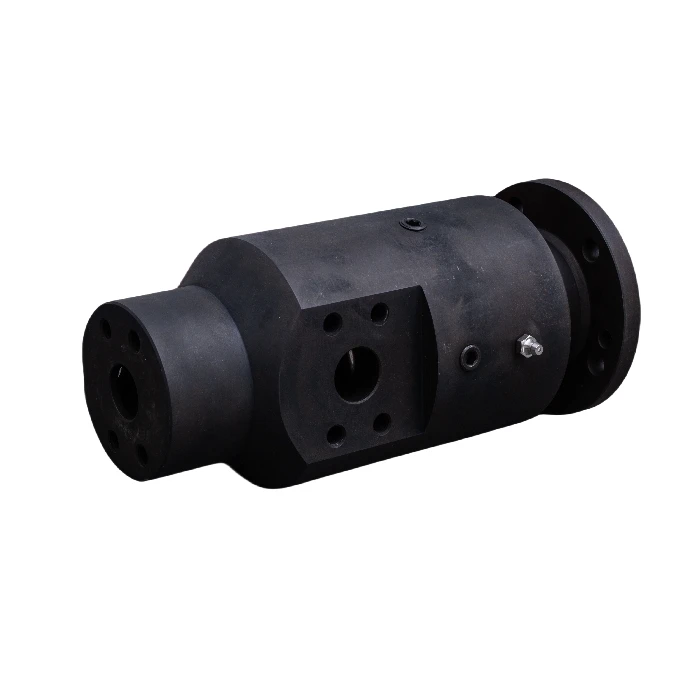
If you are interested in using rotary union g in your marine application, we invite you to contact us to discuss your specific requirements. Our team of experts will be happy to provide you with detailed information and assistance to help you select the right rotary union g for your needs.
References
- ASM Handbook, Volume 13A: Corrosion: Fundamentals, Testing, and Protection. ASM International.
- Marine Corrosion: Causes, Prevention, and Control. NACE International.
- Handbook of Corrosion Engineering. McGraw-Hill Education.