

In the realm of industrial operations, the efficient functioning of machinery is of paramount importance. One crucial component that often goes unnoticed but plays a vital role in many systems is the rotary union. As a reputable supplier of rotary unions, I understand the significance of optimizing their performance to ensure seamless operation and maximum productivity. In this blog post, I will share some valuable insights on how to adjust the performance of a rotary union.

Understanding the Basics of Rotary Unions
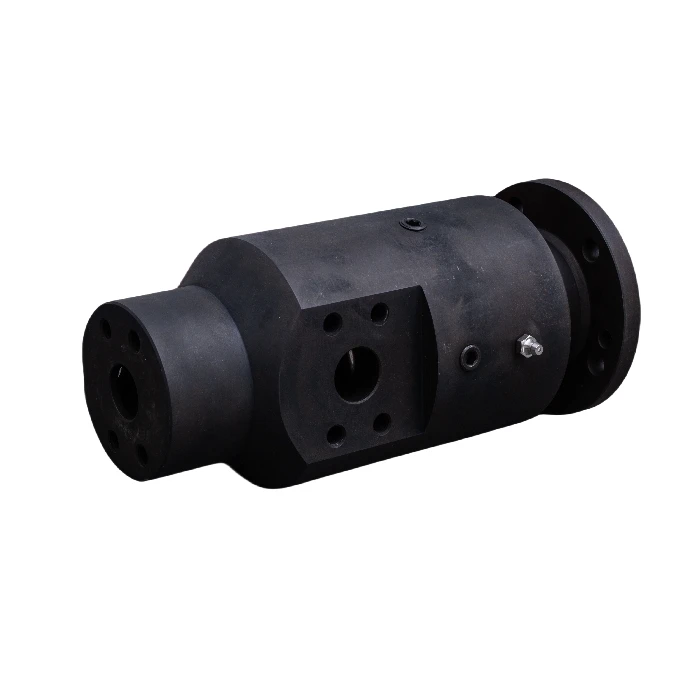
Before delving into the adjustment process, it's essential to have a clear understanding of what a rotary union is and how it works. A rotary union, also known as a rotary joint, is a mechanical device that allows the transfer of fluid (such as air, water, oil, or steam) from a stationary source to a rotating component. It consists of a stationary part (the housing) and a rotating part (the shaft), separated by seals to prevent leakage.
Rotary unions are widely used in various industries, including manufacturing, automotive, packaging, printing, and food processing. They are commonly found in applications such as rotary tables, robotic arms, conveyors, and machine tools. In particular, for air transfer, products like Rotary Air Joint, Rotary Joint Air, and pneumatic rotary union for air are frequently employed.
Factors Affecting Rotary Union Performance
Several factors can influence the performance of a rotary union. Understanding these factors is the first step in making the necessary adjustments.
1. Seal Selection and Condition
The seals in a rotary union are critical for preventing fluid leakage and maintaining proper operation. Different types of seals are available, such as lip seals, mechanical seals, and o-rings, each with its own advantages and limitations. The selection of the appropriate seal depends on factors such as the type of fluid, operating pressure, temperature, and rotational speed.
Over time, seals can wear out, become damaged, or lose their effectiveness due to factors like friction, chemical exposure, or improper installation. Regular inspection of the seals is essential to detect any signs of wear or damage. If the seals are worn or damaged, they should be replaced promptly to prevent leakage and ensure optimal performance.
2. Operating Conditions
The operating conditions of a rotary union can have a significant impact on its performance. Factors such as temperature, pressure, rotational speed, and the type of fluid being transferred need to be carefully considered.
- Temperature: Extreme temperatures can affect the properties of the seals and the fluid, leading to increased wear and potential leakage. It's important to ensure that the rotary union is designed to operate within the specified temperature range. If necessary, additional cooling or heating measures can be implemented to maintain the optimal operating temperature.
- Pressure: High operating pressures can put stress on the seals and other components of the rotary union. It's crucial to select a rotary union that is rated for the maximum pressure of the system. If the pressure exceeds the rated capacity, it can cause seal failure and other issues. Pressure regulators can be used to control the pressure and prevent overloading.
- Rotational Speed: The rotational speed of the rotary union can also affect its performance. Higher speeds can generate more heat and increase the wear on the seals. It's important to ensure that the rotary union is designed to handle the specified rotational speed. If the speed needs to be increased, appropriate measures such as lubrication and cooling may be required.
- Fluid Type: Different fluids have different properties, such as viscosity, chemical composition, and lubricity. The type of fluid being transferred can affect the performance of the seals and the overall operation of the rotary union. It's important to select a rotary union that is compatible with the fluid being used. In some cases, special seals or materials may be required to handle certain fluids.
3. Installation and Alignment
Proper installation and alignment of the rotary union are crucial for its optimal performance. Incorrect installation can lead to misalignment, which can cause uneven wear on the seals, increased friction, and potential leakage.
- Installation: When installing a rotary union, it's important to follow the manufacturer's instructions carefully. This includes ensuring that the rotary union is properly mounted and secured, and that all connections are tightened to the specified torque. Any loose connections can cause leakage and affect the performance of the rotary union.
- Alignment: Misalignment between the stationary and rotating parts of the rotary union can cause excessive wear on the seals and other components. It's important to ensure that the rotary union is properly aligned. This can be done using alignment tools and techniques, such as laser alignment or dial indicators. If necessary, shims or other adjustment methods can be used to correct any misalignment.
Adjusting the Performance of a Rotary Union
Once you have identified the factors affecting the performance of the rotary union, you can take the following steps to make the necessary adjustments.
1. Seal Adjustment
If the seals are not providing a proper seal, they may need to be adjusted or replaced. In some cases, the seals can be adjusted by tightening or loosening the gland nuts or other adjustment mechanisms. However, it's important to be careful not to over-tighten the seals, as this can cause excessive wear and damage.
If the seals are worn or damaged beyond repair, they should be replaced. When replacing the seals, it's important to use the correct type and size of seals recommended by the manufacturer. Proper installation of the new seals is also crucial to ensure a proper seal and optimal performance.
2. Operating Condition Adjustment
If the operating conditions of the rotary union are not within the specified range, adjustments may be necessary. This can include adjusting the temperature, pressure, rotational speed, or fluid type.
- Temperature Adjustment: If the temperature is too high, cooling measures such as fans or heat exchangers can be installed to lower the temperature. If the temperature is too low, heating elements or insulation can be used to raise the temperature.
- Pressure Adjustment: If the pressure is too high, pressure regulators can be used to reduce the pressure. If the pressure is too low, pumps or compressors can be used to increase the pressure.
- Rotational Speed Adjustment: If the rotational speed needs to be adjusted, the drive system of the rotating component can be modified. This may involve changing the pulley or gear ratios, or using a variable speed drive.
- Fluid Type Adjustment: If the fluid type needs to be changed, it's important to ensure that the rotary union is compatible with the new fluid. This may require replacing the seals or other components to prevent chemical reactions or damage.
3. Alignment Adjustment
If the rotary union is misaligned, it needs to be realigned to ensure proper operation. This can be done using alignment tools and techniques, such as laser alignment or dial indicators.
- Laser Alignment: Laser alignment systems use lasers to measure the alignment between the stationary and rotating parts of the rotary union. This allows for precise alignment and can help to identify any misalignment issues quickly.
- Dial Indicators: Dial indicators are mechanical devices that can be used to measure the alignment between the stationary and rotating parts of the rotary union. They provide a visual indication of the misalignment and can be used to make adjustments.
Regular Maintenance and Inspection
In addition to making the necessary adjustments, regular maintenance and inspection of the rotary union are essential for its long-term performance. This includes cleaning, lubrication, and inspection of the seals and other components.
- Cleaning: Regular cleaning of the rotary union can help to remove dirt, debris, and other contaminants that can affect its performance. This can be done using a suitable cleaning agent and a soft brush or cloth.
- Lubrication: Proper lubrication of the rotary union can help to reduce friction, prevent wear on the seals, and extend the life of the components. The type of lubricant used depends on the type of fluid being transferred and the operating conditions. It's important to follow the manufacturer's recommendations for lubrication.
- Inspection: Regular inspection of the rotary union can help to detect any signs of wear, damage, or leakage. This includes checking the seals, connections, and other components for any signs of wear or damage. If any issues are detected, they should be addressed promptly to prevent further damage and ensure optimal performance.
Conclusion
Adjusting the performance of a rotary union is a critical aspect of ensuring the efficient operation of industrial machinery. By understanding the factors that affect the performance of a rotary union, and taking the necessary steps to make the appropriate adjustments, you can optimize its performance, prevent leakage, and extend its service life.
As a supplier of rotary unions, we are committed to providing high-quality products and excellent customer service. If you have any questions or need assistance with adjusting the performance of your rotary union, please feel free to contact us. We will be happy to help you find the best solution for your specific needs. Whether you are looking for a Rotary Air Joint, Rotary Joint Air, or pneumatic rotary union for air, we have the expertise and products to meet your requirements. Contact us today to discuss your needs and explore how we can help you improve the performance of your industrial systems.
References
- "Rotary Union Handbook," Manufacturer's Manual
- "Industrial Fluid Transfer Systems," Industry Publication
- "Seal Technology and Applications," Technical Journal