

Hey there! As a supplier of rotary joints for compressed air, I've seen firsthand how crucial it is to pick the right one for your specific needs. In this blog post, I'm gonna walk you through the key factors you should consider when choosing a rotary joint for compressed air. Let's dive in!
Understanding the Basics of Rotary Joints for Compressed Air
First off, what exactly is a rotary joint for compressed air? Well, it's a device that allows the transfer of compressed air from a stationary source to a rotating component. This is super important in a whole bunch of industries, like manufacturing, automotive, and aerospace. These joints make sure that the compressed air can flow smoothly and efficiently, even when the parts are in motion.
Flow Rate and Pressure Requirements
One of the most important things to think about is the flow rate and pressure requirements of your system. The flow rate is basically how much compressed air needs to pass through the joint per unit of time. You gotta make sure that the rotary joint you choose can handle the required flow rate without causing any pressure drops. If the flow rate is too high for the joint, it can lead to inefficiencies and even damage to the system.
On the other hand, the pressure is the force exerted by the compressed air. Different applications have different pressure requirements, so you need to select a rotary joint that can withstand the maximum pressure in your system. For example, if you're working with a high-pressure pneumatic system, you'll need a heavy-duty rotary joint that can handle the stress.
Rotational Speed
Another crucial factor is the rotational speed of the equipment. Rotary joints are designed to work within a certain range of rotational speeds. If you exceed this range, it can cause excessive wear and tear on the joint, leading to leaks and reduced performance. So, before you make a decision, find out the maximum rotational speed of your rotating component and choose a rotary joint that can handle it.
Sealing Technology
The sealing technology used in the rotary joint is also very important. A good seal is essential to prevent air leaks, which can waste energy and reduce the efficiency of your system. There are different types of seals available, such as mechanical seals, lip seals, and O-rings. Each type has its own advantages and disadvantages, so you need to choose the one that's best suited for your application.
For example, mechanical seals are great for high-pressure and high-speed applications because they can provide a tight seal even under extreme conditions. Lip seals, on the other hand, are more flexible and can be used in applications where there's some misalignment between the stationary and rotating parts.
Material Selection
The materials used to make the rotary joint can also have a big impact on its performance and durability. You need to choose materials that are compatible with the compressed air and the environment in which the joint will be used. For example, if the compressed air contains moisture or chemicals, you'll need to select a material that's resistant to corrosion.
Common materials used for rotary joints include stainless steel, aluminum, and brass. Stainless steel is a popular choice because it's strong, durable, and resistant to corrosion. Aluminum is lightweight and has good thermal conductivity, making it suitable for applications where weight is a concern. Brass is also a good option because it's easy to machine and has good corrosion resistance.

Size and Mounting Options
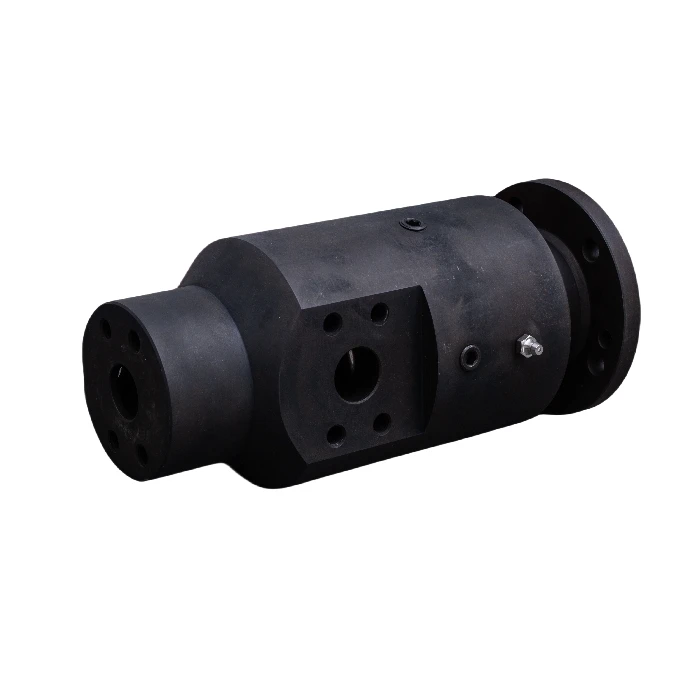
The size and mounting options of the rotary joint are also important considerations. You need to make sure that the joint will fit into your existing system and that it can be easily installed. There are different sizes and configurations available, so you need to choose the one that's compatible with your equipment.
Some rotary joints come with standard mounting options, while others can be customized to fit your specific requirements. If you're not sure which size or mounting option is right for you, don't hesitate to reach out to us. We have a team of experts who can help you make the right decision.
Compatibility with Other Components
Finally, you need to make sure that the rotary joint is compatible with the other components in your system. This includes the hoses, fittings, and valves. If the joint is not compatible with these components, it can cause leaks, blockages, and other problems.
Before you make a purchase, check the specifications of the rotary joint and make sure that it's compatible with the other parts of your system. If you're not sure, you can always ask us for advice. We have a lot of experience in this area and can help you find the right combination of components for your application.
Some Recommended Products
We offer a wide range of rotary joints for compressed air, including the Rotary Union for Water and Air, pneumatic rotary union for air, and Rotary Air Joint. These products are designed to meet the needs of different applications and are made from high-quality materials to ensure long-lasting performance.
Conclusion
Choosing the right rotary joint for compressed air is not an easy task, but it's definitely worth taking the time to get it right. By considering the factors we've discussed in this blog post, you can make an informed decision and select a rotary joint that will meet the needs of your system.
If you have any questions or need further assistance, please don't hesitate to contact us. We're here to help you find the perfect rotary joint for your application. Whether you're a small business or a large corporation, we have the expertise and the products to meet your needs. Let's work together to ensure the smooth and efficient operation of your compressed air system.
References
- Compressed Air Systems Handbook
- Pneumatic Systems Design Guide
- Rotary Joint Manufacturer's Catalogs