

Hey there! As a supplier of Rotary Union Q, I've been getting a ton of questions lately about whether it's a good fit for hydraulic systems. So, I thought I'd sit down and write this blog to clear things up.
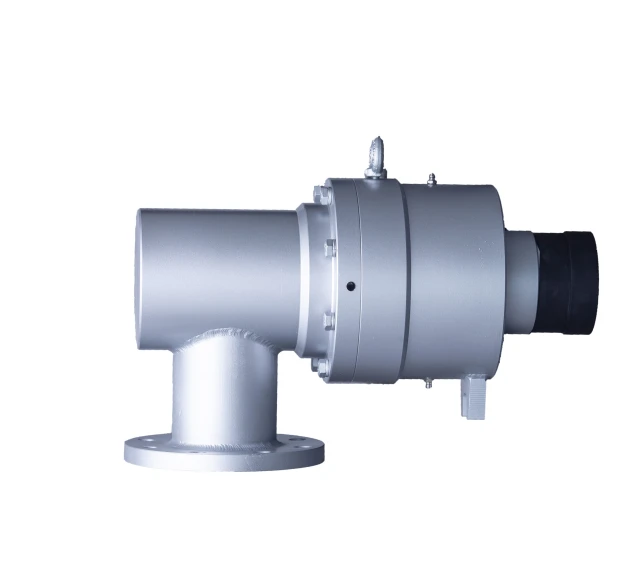
First off, let's talk a bit about what a Rotary Union Q is. It's a type of rotary joint that allows for the transfer of fluids (like oil, water, or hydraulic fluid) between a stationary and a rotating part. This is super important in many industrial applications, especially those involving machinery that has rotating components.
Now, let's dive into the big question: Is a Rotary Union Q suitable for hydraulic systems? The short answer is yes, but there are a few things you need to consider.
Compatibility with Hydraulic Fluids
Hydraulic systems rely on hydraulic fluids to transmit power. These fluids come in different types, such as mineral oil-based, synthetic, and water-glycol. A Rotary Union Q needs to be compatible with the specific hydraulic fluid used in your system. Most of the Rotary Union Qs we supply are designed to work with a wide range of hydraulic fluids, but it's always a good idea to double-check. If the rotary union isn't compatible, it could lead to leaks, corrosion, or even system failure.
Pressure and Temperature Ratings
Hydraulic systems can operate at high pressures and temperatures. The Rotary Union Q you choose must be able to handle the pressure and temperature conditions of your hydraulic system. Our Rotary Union Qs are engineered to withstand high pressures, but you need to make sure the specific model you're considering has the right ratings. For example, if your hydraulic system operates at a pressure of 3000 psi and a temperature of 150°F, you need a Rotary Union Q that can handle those conditions without any issues.

Flow Rate Requirements
The flow rate of the hydraulic fluid is another crucial factor. The Rotary Union Q should be able to accommodate the required flow rate of your hydraulic system. If the flow rate is too high for the rotary union, it can cause pressure drops, which can affect the performance of your hydraulic system. On the other hand, if the flow rate is too low, it might not be able to meet the system's demands. We can help you select the right Rotary Union Q based on your flow rate requirements.
Sealing Performance
A good seal is essential in a hydraulic system to prevent fluid leaks. Our Rotary Union Qs are equipped with high-quality seals that are designed to provide excellent sealing performance. These seals are made from materials that are resistant to wear, corrosion, and the specific hydraulic fluid used in your system. However, over time, the seals may wear out, so it's important to have a maintenance plan in place to replace them when necessary.
Advantages of Using a Rotary Union Q in Hydraulic Systems
There are several advantages to using a Rotary Union Q in hydraulic systems. Firstly, it allows for smooth and continuous rotation of the hydraulic components, which is essential for the proper functioning of the system. This can improve the overall efficiency and performance of your machinery.
Secondly, our Rotary Union Qs are designed to be durable and reliable. They are built to last, even in harsh industrial environments. This means less downtime for maintenance and repairs, which can save you a lot of money in the long run.
Another advantage is that our Rotary Union Qs are easy to install and maintain. We provide detailed installation instructions and technical support to make sure you can get the most out of your rotary union.
Related Products
If you're interested in other types of rotary joints for your hydraulic or other systems, we also offer some great options. Check out our Fluid Rotary Connector, which is designed for the transfer of various fluids. It has excellent sealing performance and can handle different flow rates.
Our Rotary Seal Connector is another great choice. It's specifically designed to provide a reliable seal in rotating applications, which is crucial in hydraulic systems to prevent leaks.
And if you're dealing with hot oil in your system, our Hot Oil Rotary Joint is the way to go. It can handle high temperatures and pressures, making it suitable for applications where hot oil is used.
Conclusion
In conclusion, a Rotary Union Q can be a great choice for hydraulic systems, as long as you consider factors like fluid compatibility, pressure and temperature ratings, flow rate requirements, and sealing performance. We, as a supplier, are here to help you select the right Rotary Union Q for your specific needs.
If you're interested in learning more about our Rotary Union Qs or other related products, or if you're ready to start a procurement discussion, don't hesitate to reach out. We're always happy to answer your questions and provide you with the best solutions for your hydraulic systems.
References
- "Hydraulic Systems Handbook" - A comprehensive guide on hydraulic systems and their components.
- "Rotary Joint Technology" - A technical resource that provides in - depth information about rotary joints and their applications.