

A rotary joint for thermal oil is a crucial component in many industrial applications, especially those involving the transfer of high - temperature thermal oil between stationary and rotating parts. As a supplier of rotary joints for thermal oil, I understand the importance of proper installation to ensure the optimal performance and longevity of these components. In this blog, I will discuss the key installation requirements for a rotary joint for thermal oil.
1. Site Preparation
Before installing a rotary joint for thermal oil, it is essential to prepare the installation site properly. The site should be clean, dry, and free from any debris or contaminants that could potentially damage the rotary joint. Any loose particles or dirt can enter the joint and cause premature wear or blockages in the fluid passages.
The installation area should also have sufficient space to accommodate the rotary joint and allow for easy access for maintenance and inspection. There should be enough clearance around the joint to ensure that it can rotate freely without interference from other equipment or structures.
2. Alignment
Proper alignment is one of the most critical installation requirements for a rotary joint for thermal oil. Misalignment can lead to excessive wear on the seals, increased friction, and reduced efficiency of the joint. It can also cause leaks, which can be a safety hazard and result in the loss of valuable thermal oil.
When aligning the rotary joint, it is necessary to ensure that the stationary and rotating parts are concentric. This can be achieved using precision alignment tools such as laser alignment systems. The angular alignment should also be within the specified tolerance range provided by the manufacturer. Any deviation from the recommended alignment can significantly impact the performance of the rotary joint.
3. Mounting
The mounting of the rotary joint must be secure and stable. The joint should be mounted on a rigid surface that can withstand the forces and vibrations generated during operation. Using appropriate mounting brackets and fasteners is crucial to ensure that the joint remains in place and does not move or shift during rotation.

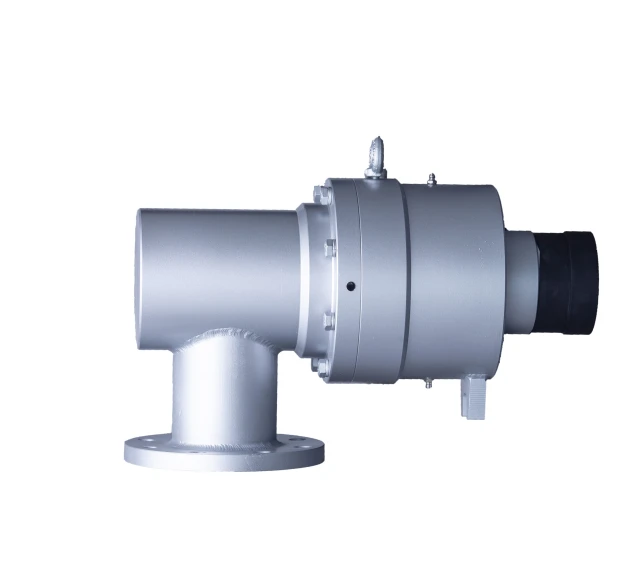
It is also important to follow the manufacturer's instructions regarding the torque specifications for the mounting bolts. Over - tightening or under - tightening the bolts can lead to problems such as uneven stress distribution on the joint, which can cause damage over time.
4. Connection of Fluid Lines
The connection of the thermal oil fluid lines to the rotary joint is another important aspect of the installation process. The fluid lines should be properly sized and made of materials that are compatible with the thermal oil. High - temperature - resistant hoses or pipes are typically used to ensure that they can withstand the heat and pressure of the thermal oil.
The connections should be leak - proof. This can be achieved by using proper sealing materials such as gaskets or O - rings. The fluid lines should be connected in a way that allows for easy disassembly and reassembly for maintenance purposes. It is also important to ensure that the fluid flow direction is correct, as specified by the manufacturer.
5. Lubrication
Proper lubrication is essential for the smooth operation of a rotary joint for thermal oil. The seals and bearings in the joint require lubrication to reduce friction and wear. The type of lubricant used should be compatible with the thermal oil and the materials of the joint.
The lubrication process should be carried out according to the manufacturer's recommendations. This may involve applying a specific amount of lubricant at regular intervals or using a continuous lubrication system. Insufficient lubrication can lead to increased wear on the components, while over - lubrication can cause leaks and attract dirt and contaminants.
6. Testing
After the installation is complete, it is necessary to conduct a thorough testing of the rotary joint for thermal oil. This includes a pressure test to check for any leaks in the fluid connections and a rotation test to ensure that the joint rotates smoothly.
During the pressure test, the thermal oil system should be pressurized to the operating pressure, and all connections should be inspected for any signs of leakage. Any leaks should be addressed immediately by tightening the connections or replacing the sealing materials.
The rotation test should be carried out at different speeds to ensure that the joint can operate smoothly under various conditions. If any abnormal noises or vibrations are detected during the rotation test, it may indicate a problem with the alignment, mounting, or internal components of the joint, and further investigation is required.
7. Compatibility with Thermal Oil
The rotary joint must be compatible with the type of thermal oil used in the system. Different thermal oils have different chemical properties, viscosities, and operating temperature ranges. Using a rotary joint that is not compatible with the thermal oil can lead to seal degradation, corrosion, and reduced performance of the joint.
It is important to consult the manufacturer's specifications to ensure that the rotary joint is suitable for the specific thermal oil in use. The manufacturer can provide guidance on the compatibility of the joint materials with the thermal oil and any special requirements or precautions that need to be taken.
Related Products
As a supplier of rotary joints for thermal oil, we offer a range of high - quality products to meet different industrial needs. Our Fluid Rotary Connector is designed for efficient fluid transfer in various applications. It features advanced sealing technology and high - precision manufacturing to ensure reliable performance.
The Hose Reel Rotary Union is another popular product in our portfolio. It is specifically designed for use with hose reels, providing a smooth and leak - free connection for the transfer of thermal oil.
Our Compact Rotary Union is ideal for applications where space is limited. Despite its compact size, it offers excellent performance and durability.
Conclusion
Proper installation of a rotary joint for thermal oil is essential to ensure its reliable and efficient operation. By following the installation requirements such as site preparation, alignment, mounting, connection of fluid lines, lubrication, testing, and ensuring compatibility with the thermal oil, you can maximize the lifespan of the joint and minimize the risk of problems.
If you are in need of a rotary joint for thermal oil or have any questions about the installation process, please feel free to contact us. Our team of experts is ready to assist you with your procurement and provide you with the best solutions for your industrial needs.
References
- Manufacturer's installation manuals for rotary joints for thermal oil.
- Industry standards and guidelines for the installation of fluid transfer components.