

As a supplier of Rotary Union Q, I often encounter inquiries about its weight. Understanding the weight of a Rotary Union Q is crucial for various applications, as it can impact installation, performance, and overall system design. In this blog post, I will delve into the factors that influence the weight of a Rotary Union Q, its significance in different industries, and how it relates to the product's functionality.
Factors Influencing the Weight of Rotary Union Q
The weight of a Rotary Union Q is determined by several key factors, each playing a vital role in the overall mass of the product.
Material Composition
One of the primary factors affecting the weight is the material used in its construction. Rotary Union Qs can be made from a variety of materials, including stainless steel, aluminum, and brass. Stainless steel is known for its durability and corrosion resistance, but it is also relatively heavy. Aluminum, on the other hand, is lightweight and offers good strength-to-weight ratio, making it a popular choice for applications where weight is a concern. Brass is another option, providing a balance between weight and cost, along with good machinability.
Size and Dimensions
The physical size and dimensions of the Rotary Union Q also contribute significantly to its weight. Larger rotary unions with more ports or a greater diameter will generally weigh more than smaller ones. The number of fluid passages or electrical connections can also add to the weight, as each additional passage requires more material for construction.
Internal Components
The internal components of the Rotary Union Q, such as seals, bearings, and rotors, can also affect its weight. High-quality seals and bearings are essential for ensuring smooth operation and preventing leakage, but they can add to the overall mass of the product. Additionally, the design of the rotor and its internal structure can impact the weight, as more complex designs may require additional material.
Significance of Weight in Different Industries
The weight of a Rotary Union Q can have different implications depending on the industry in which it is used.
Aerospace and Aviation
In the aerospace and aviation industries, weight is a critical factor due to the need for fuel efficiency and performance. Rotary Union Qs used in aircraft systems, such as hydraulic or pneumatic systems, need to be as lightweight as possible without compromising on functionality. A lighter rotary union can help reduce the overall weight of the aircraft, leading to lower fuel consumption and increased range.
Manufacturing and Automation
In manufacturing and automation, the weight of the Rotary Union Q can affect the stability and precision of the machinery. Heavy rotary unions may require more robust mounting structures, which can add to the cost and complexity of the system. On the other hand, lightweight rotary unions can be more easily integrated into existing equipment, allowing for greater flexibility and ease of use.
Oil and Gas
In the oil and gas industry, Rotary Union Qs are often used in harsh environments where durability and reliability are essential. While weight may not be the primary concern in these applications, it can still impact the installation and maintenance of the equipment. Heavy rotary unions may require specialized lifting equipment for installation, while lighter ones can be more easily handled by maintenance personnel.
Weight and Functionality
The weight of a Rotary Union Q is closely related to its functionality. A heavier rotary union may offer greater durability and stability, which can be beneficial in applications where high pressures or high speeds are involved. However, it may also require more power to operate, which can increase energy consumption.

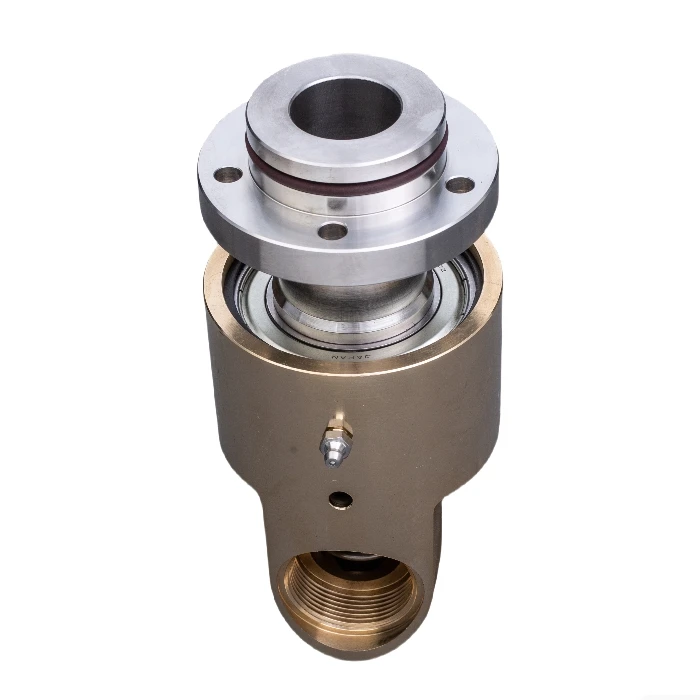
On the other hand, a lighter rotary union may be more suitable for applications where weight is a critical factor, such as in portable or mobile equipment. However, it may need to be carefully designed to ensure that it can withstand the required operating conditions without sacrificing performance.
Comparing Different Types of Rotary Unions
When considering the weight of a Rotary Union Q, it is also important to compare it with other types of rotary unions available in the market.
Fiber Optic Joints
Fiber optic joints are used for transmitting optical signals in rotating systems. They are typically lighter than fluid or electrical rotary unions, as they do not require the same amount of material for construction. However, they may have specific requirements for alignment and protection, which can affect their overall design and weight.
Hydraulic Rotary Swivel Joint
Hydraulic rotary swivel joints are designed to transfer hydraulic fluid between stationary and rotating components. They often need to withstand high pressures, which can result in a heavier design compared to other types of rotary unions. However, advancements in materials and design have led to the development of lighter hydraulic rotary swivel joints without compromising on performance.
Industrial Rotary Union
Industrial rotary unions are used in a wide range of applications, from manufacturing to food processing. They come in various sizes and configurations, with weights that can vary depending on the specific requirements of the application. When choosing an industrial rotary union, it is important to consider the weight along with other factors such as flow rate, pressure rating, and temperature range.
Conclusion
In conclusion, the weight of a Rotary Union Q is a complex factor that is influenced by material composition, size and dimensions, and internal components. Its significance varies across different industries, with weight being a critical consideration in aerospace and aviation, and having implications for stability and precision in manufacturing and automation. The weight of the rotary union is also closely related to its functionality, with heavier models offering greater durability and lighter ones being more suitable for weight-sensitive applications.
When selecting a Rotary Union Q, it is essential to carefully evaluate the weight along with other performance parameters to ensure that it meets the specific requirements of your application. As a supplier of Rotary Union Q, we are committed to providing high-quality products that offer the right balance of weight, performance, and cost.
If you are interested in learning more about our Rotary Union Q products or have any questions regarding their weight and suitability for your application, please feel free to contact us for a detailed discussion. We look forward to the opportunity to work with you and provide you with the best rotary union solutions for your needs.
References
- Smith, J. (2020). Handbook of Rotary Union Design and Applications. Publisher Name.
- Johnson, A. (2019). Advanced Materials for Rotary Unions. Journal of Industrial Engineering, 25(3), 123-135.
- Brown, C. (2018). Weight Optimization in Aerospace Rotary Systems. Aerospace Engineering Review, 12(4), 78-85.