


When an excavator is at work, the cab can rotate a full 360 degrees, yet the tracks beneath must also function. A problem arises here: if the hydraulic hoses were rigidly connected between the cab and the undercarriage, they would twist and snap after just a couple of rotations.
This is where the rotary joint comes in.
Installed between the cab and the tracked undercarriage, it allows hydraulic fluid to flow in one side and out the other without interruption. Crucially, no matter how many times the upper section rotates, the hydraulic circuit remains open; the rotation never twists the hoses to the point of failure or causes leaks.
You can think of it as a "swivel joint": one end moves with the cab while the other stays with the undercarriage, with seals in the middle keeping the fluid contained. During rotation, the fluid neither leaks out nor stops flowing.
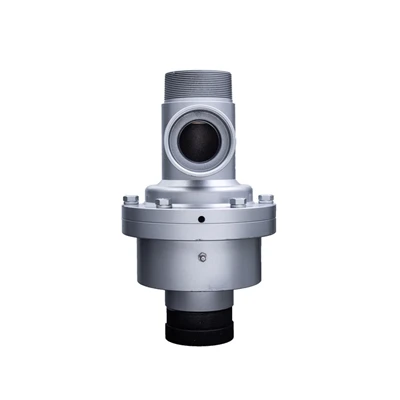
What is this hydraulic fluid for? It directly supplies the track drive system. Whether the excavator moves forward, backward, or turns left or right, it relies entirely on hydraulic fluid to drive the motors on the tracks. Only when the fluid reaches the motors can the tracks turn and the machine move. If the hydraulic circuit were broken, the tracks would remain motionless-rendering the entire machine dead in its tracks-no matter how loudly the engine roared.
So, although this component is small, it is the prerequisite for the excavator to actually move. Without it, the hydraulic circuit would sever the moment the cab turned, leaving the undercarriage unresponsive no matter how skillfully the operator maneuvered the controls. It remains hidden inside the machine, out of sight, yet the entire machine is immobilized without it.
Simply put, the rotary joint acts as the excavator's "joint"-just as a human cannot move without joints, an excavator cannot move without this component.